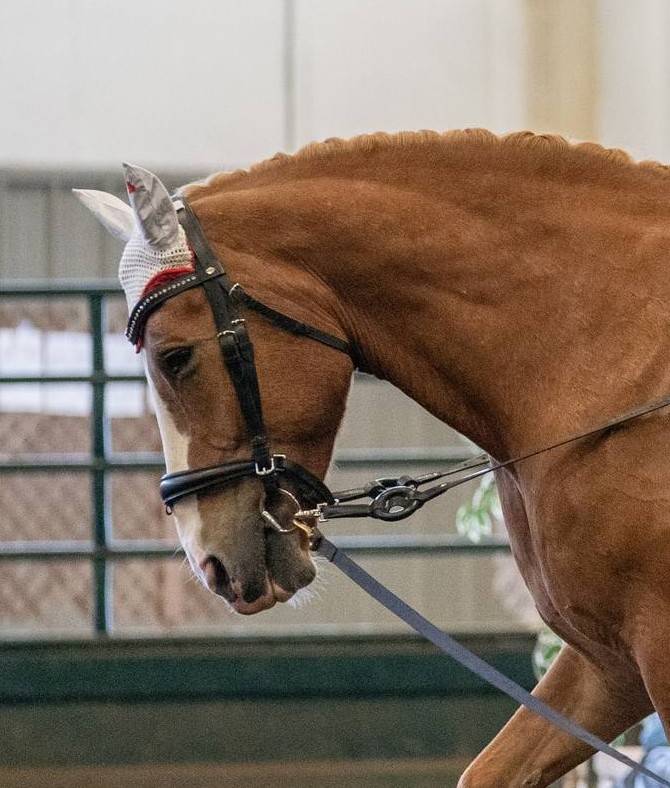
Colonel
April 11th 2024 I received a phone call and radiographs from Colonels veterinarian. He had great concern in the direction that Colonel‘s feet have been addressed. This was his first appointment with Colonel, due to Colonel‘s owners concern that he may only have a few months to live according to the original veterinarian and Farrier. even though the new veterinarian was out for a second opinion, he was familiar with Applied Equine Podiatry (AEP) and referred Colonel to this method. After reviewing the radiographs and pictures, I knew he had to go to the top of my case load.

At a Glance: Key Details
At the age of 21 with the amount of long-term trauma that had occurred under his previous care her number one goal was to stabilize the foot through balance. Colonel’s hoof issues were very obvious, the current methods that was being used were based off of static mechanics.
At his first appointment, we completely changed the method. Using the AEP method we were able to mark up the foot for a balance trim, and with the help of radiographs to confirm what our eyes were telling us.
Knowing that the hoof has the ability to heal if given the proper environment, we knew Colonel had more than just a chance. His owner was on board for what needed to be done between appointments.
Initial Assessment
Unable to stand square, unwilling to turn left or right without shifting weight to the hindquarters, unable to back, body fatigue, stressed. Colonel presented like many horses suffering in this condition. His posture had definitely taken a toll on his body, not just what we see in the hose, but all the way through his top line.
Establishing true balance was at the top of our focus for treatment. Second was stabilizing the hoof and foot. Then establishing movement… knowing the importance of fluid dynamics within the hoof and being able to capitalize on hemodynamics this would be Colonels best chance.
SHE DIDN’T WANT TO LOSE HER HORSE!
First we needed better ground for him to live in. She covered his entire paddock and a minimum of 6 inches of sand, and continue to keep his run clean. Freshwater was always accessible, as well as a balanced diet. At the beginning, our goal was to hand walk 20 minutes in the morning and 20 minutes in the evening, 7 days a week. As he continued to heal we could talk about possibly adding other horses for Colonel to move around. As for our plan, rebalance the foot every 3 to 4 weeks, apply perfect to wear at every appointment. If needed add new soulmate pads. Reevaluate at six months with radiographs.

Before AEP Trim
Explore the visual progression of each case through hoof photos, radiographs, and documentation taken throughout the treatment journey. These images highlight the structural changes and improvements that result from a balance-focused approach to equine podiatry.


To better understand how each structure should function in a sound horse, visit our guide on what a healthy horse hoof should look like, where we break down the seven key structures of the equine foot.
case Updates
July 22, 2025
Pre and Post Trim


October 7, 2025


December 1, 2025
New x-rays – Look at the difference since April 11th.


Wondering if this approach is right for your horse?
Let’s talk about your horse’s unique needs and how balance-focused podiatry can support their long-term soundness.