
A Healthy Hoof
What Should a Healthy Hoof Look Like?
This is a question I hear almost every day—and it’s a good one. A healthy hoof is more than “no flare” or “good angles on a radiograph.” Those things can matter, but they don’t tell the whole story.
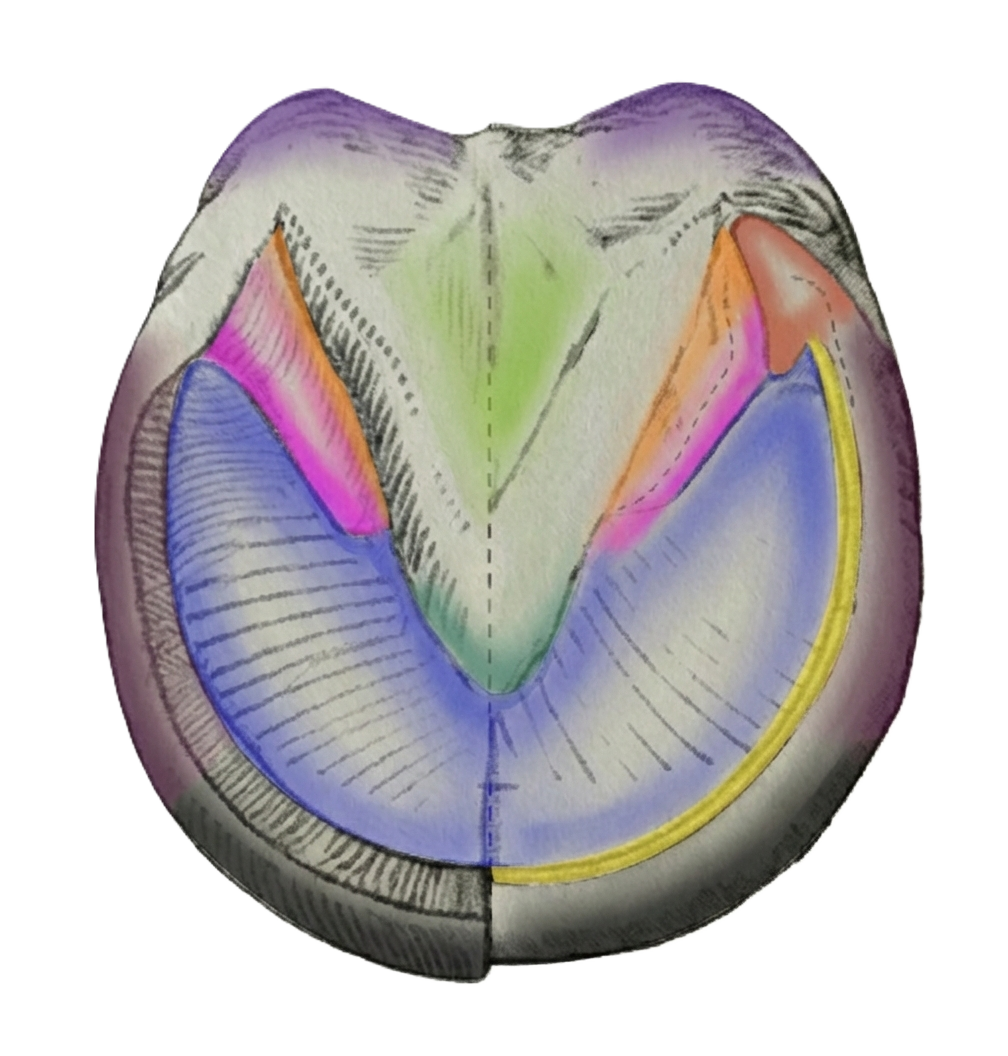
A truly healthy foot is functional: it can load, expand, absorb concussion, and grow/renew itself in a way that supports the horse’s job and comfort. To understand hoof health, it helps to look at the hoof as a system made up of seven key structures, all working together.
Each of these structures has different properties and needs different types of stimulation to stay strong and healthy. When one structure is weak, overloaded, or under-stimulated, another part often tries to compensate—and that’s when we start seeing the patterns many people accept as “normal.”
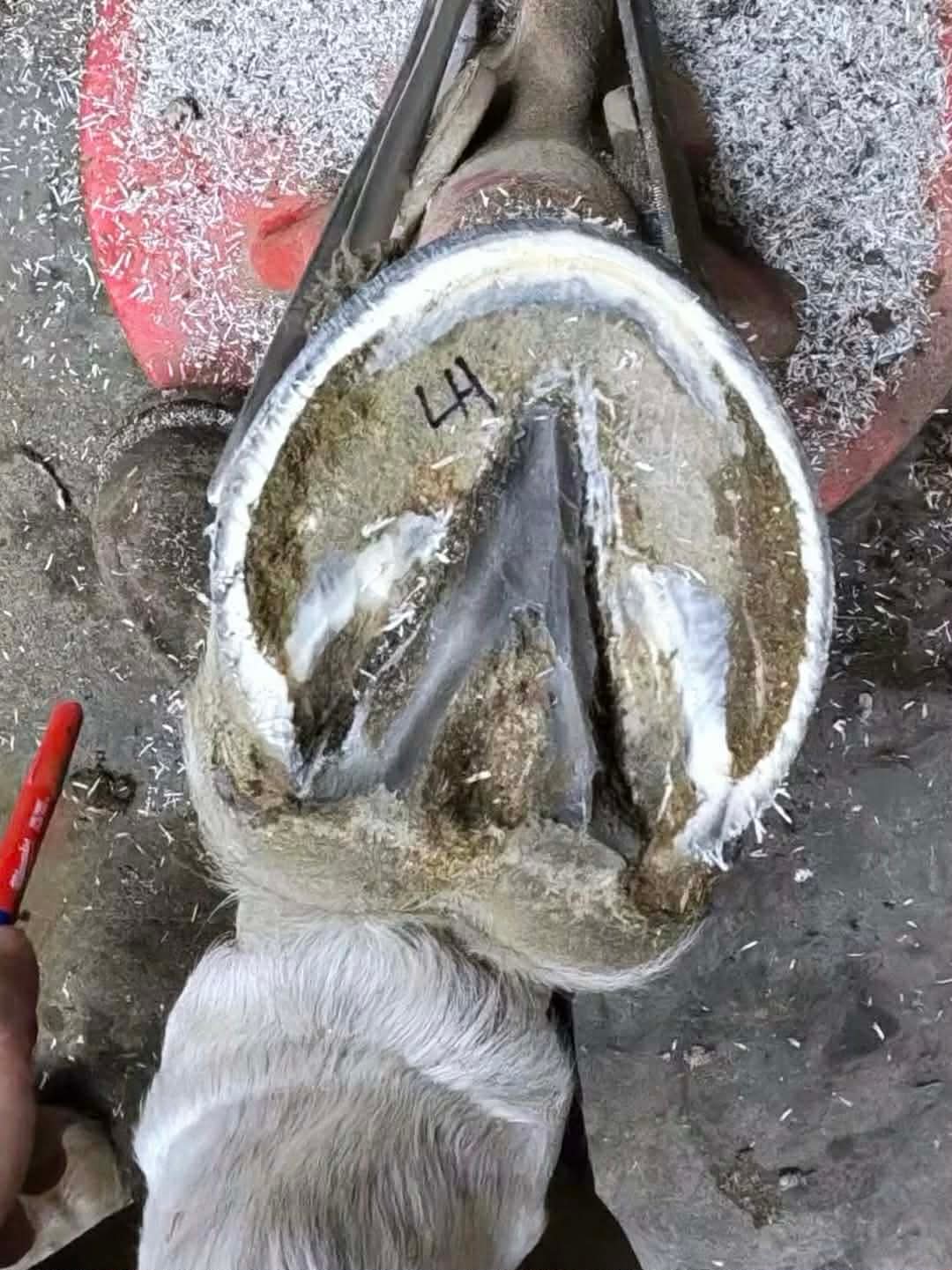
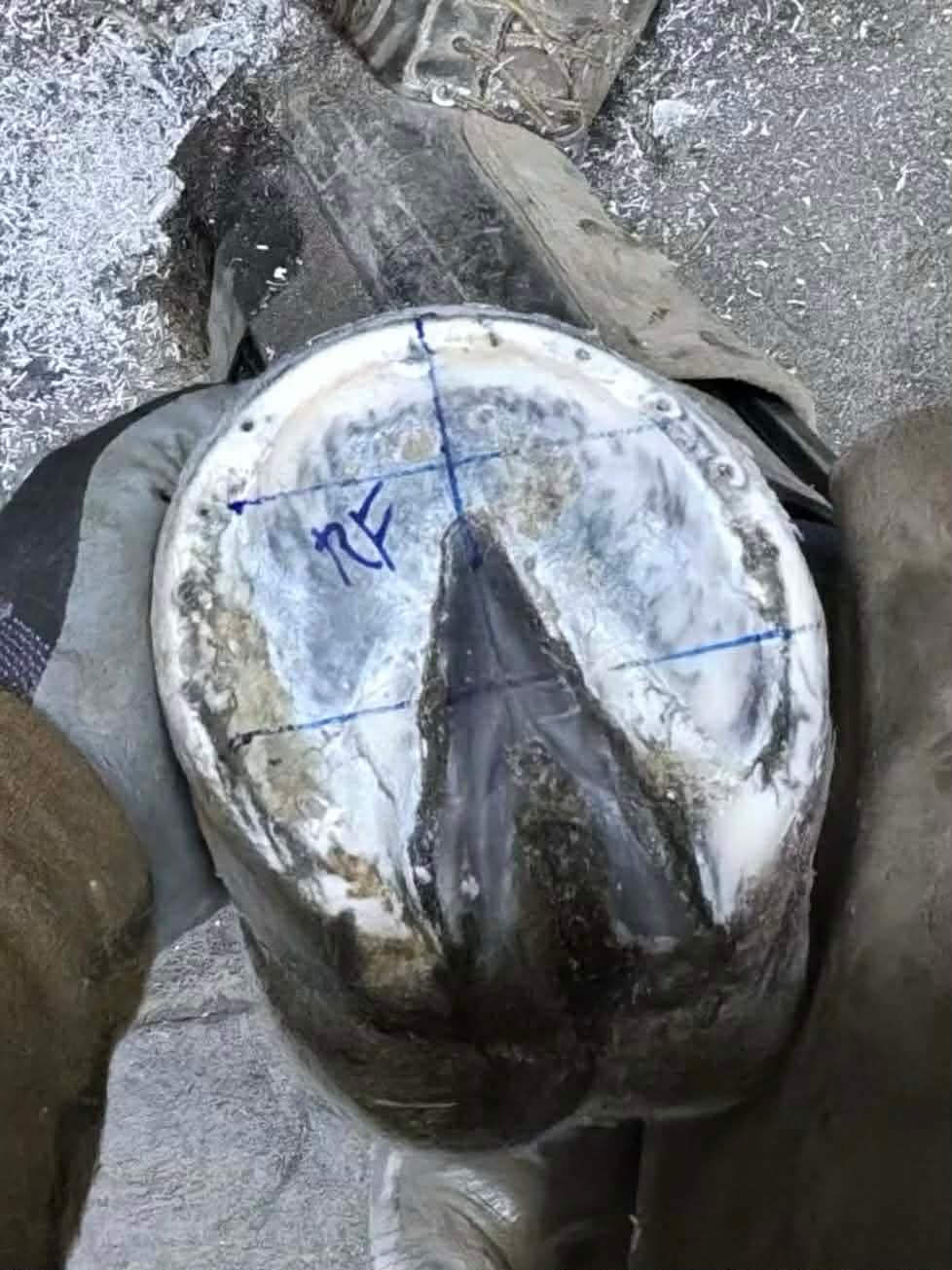
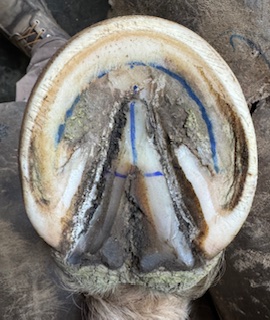
Golden Line (white line)
The junction between the hoof wall and sole that helps secure the hoof capsule. A healthy white line is tight and clean, not stretched or crumbly.
Angle of the Bar (ground surface of heal)
The bar angle influences rear-foot support and stability. Healthy bars support the heel without folding over or creating sole pressure.
Apex of Frog Stay
The frog helps absorb shock, support circulation, and provide traction. A healthy frog is broad, well-connected, and able to contact the ground.
Wall of the Bars
The portion of hoof wall that folds inward to form the bars, helping stabilize the hoof capsule. Healthy bar walls are straight and supportive, not overgrown or laid over.
Toe
The front of the hoof that affects breakover and leverage. A healthy toe allows smooth breakover without excess length or distortion.
Before Trim
After Trim
Central Sulcus
The groove in the center of the frog that should be open and shallow. A deep, tight central sulcus often signals imbalance or thrush.
Primary Sole
The strong, protective sole layer that provides depth and support. Healthy primary sole is firm and concave, not thin or sensitive.
Collateral Groves
Grooves beside the frog that reflect frog depth and sole structure. Healthy grooves are open and even, not deep, narrow, or infected.
Heal Bulbs (proximal appendages)
Soft structures at the back of the foot that help with shock absorption and heel support. Healthy heel bulbs are full, even, and not contracted.
Quarters
The side walls of the hoof that allow controlled expansion during loading. Healthy quarters stay stable without flaring, cracks, or distortion.
Why Hoof Health Is Harder Today
Domestication has made it much harder for the equine foot to thrive. Horses today live, eat, and work very differently than they did 100 years ago.
The question worth asking is: If the horse’s lifestyle has changed so much, why do so many hoof-care habits stay the same?
Many horses I see are “over-applianced” (over-shod, over-supported, or managed in ways that reduce normal function). Sometimes that’s necessary short-term. But if the goal is true healing and long-term improvement, we have to be honest about what is improving the foot—and what is only managing symptoms.
We’ve changed:

Footing and Terrain

Turnout and Movement
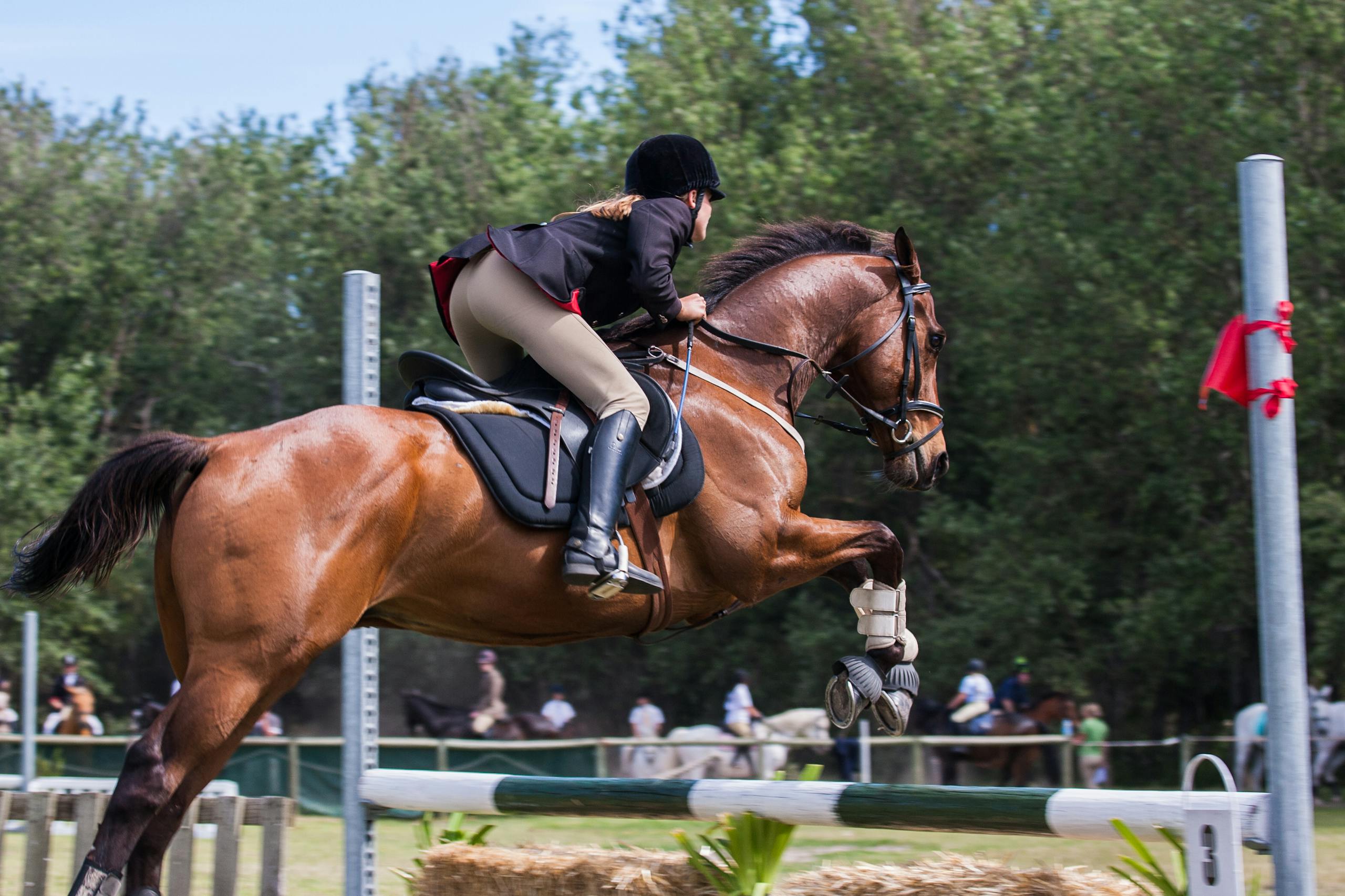
Workload and Intensity
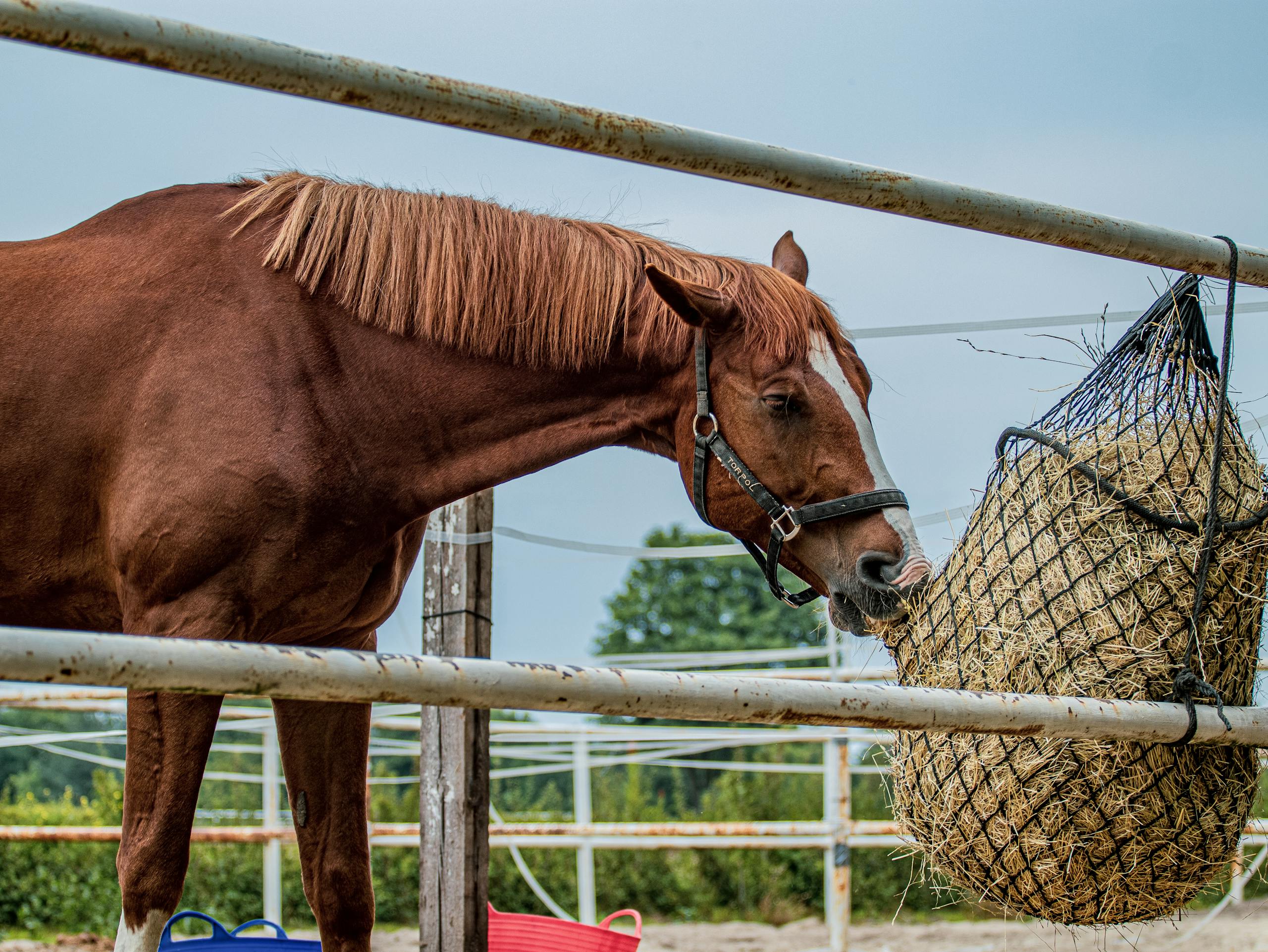
Diet & Metabolic Health
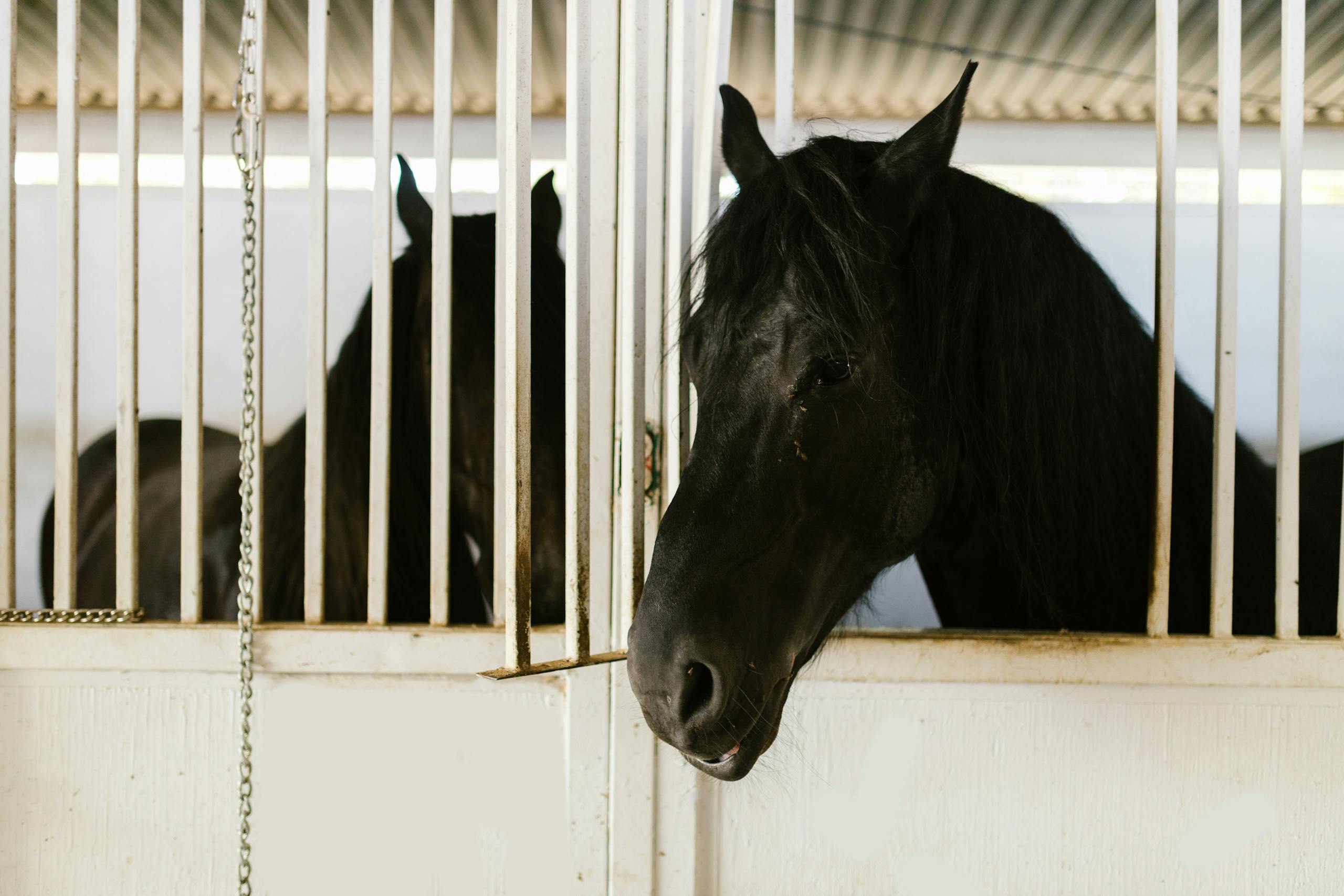
Confinement & Stalling Patterns
Evaluating the Hoof: Why “Barefoot Imaging” Matters
When we evaluate a hoof from a healing standpoint, I believe we should assess the foot without an appliance attached, whenever it’s safe and appropriate to do so.
Why? Because if the foot is truly improving, we should be able to see functional change in the hoof itself—not only a change created by an external device. We’re not looking for a quick fix. We’re looking for life-changing healing.
That means:
Take radiographs barefoot
Make changes (trim/rehab plan)
Re-evaluate after a set time, once again barefoot
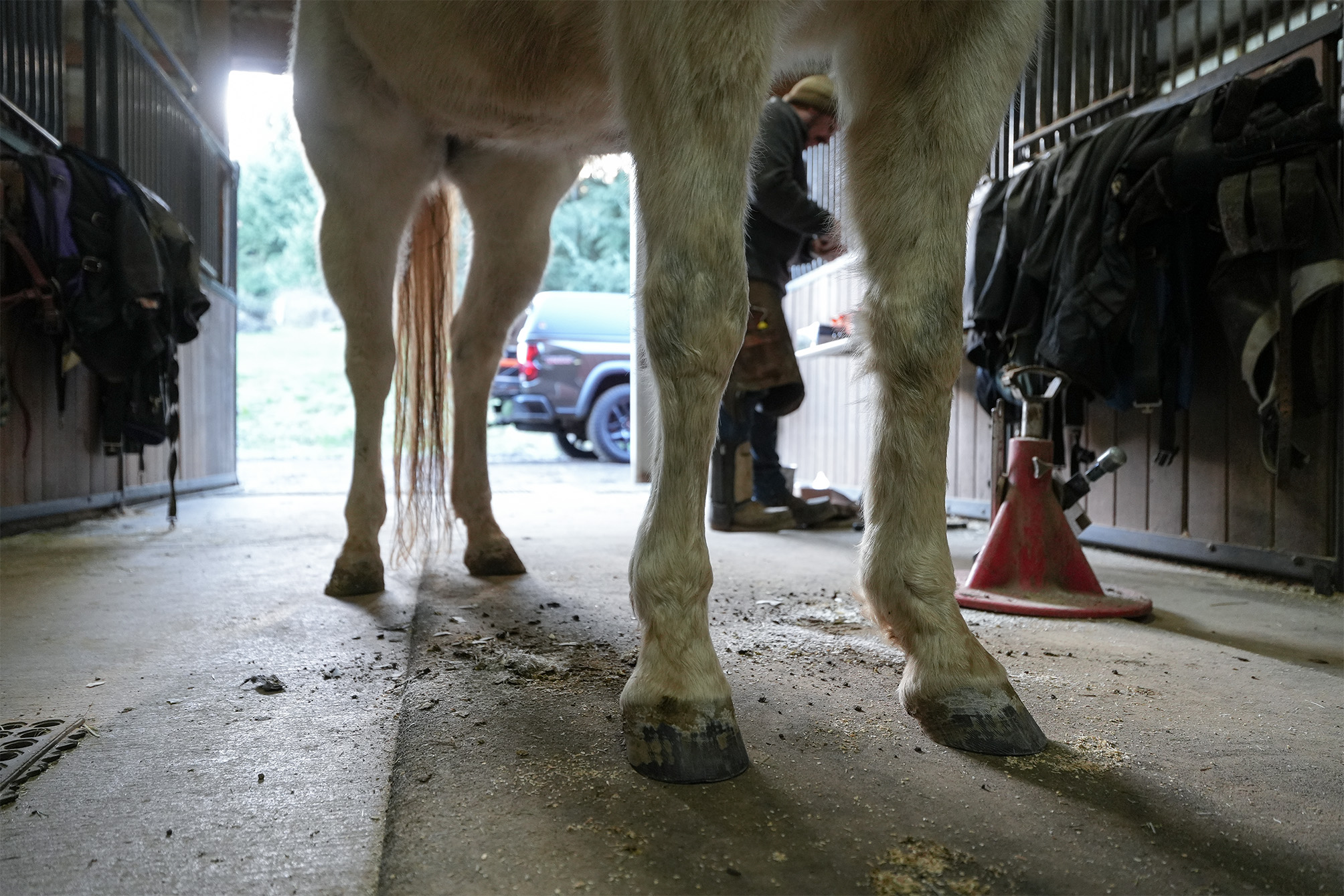
What Is AEP and How Does It Measure “Healthy”?
Applied Equine Podiatry (AEP) is a method of hoof assessment and hoof-care decision-making that focuses on function, structure, and measurable improvement over time. One thing I appreciate about the approach is that it gives us a consistent way to evaluate what we’re seeing, instead of guessing or debating “balance” in theory.
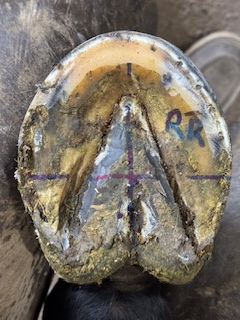
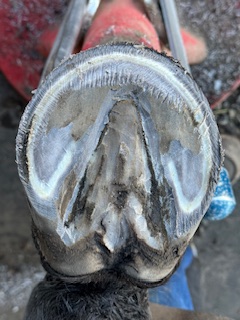
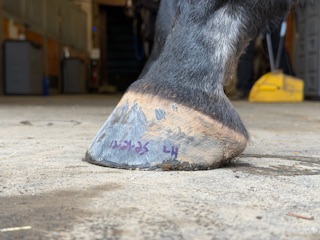
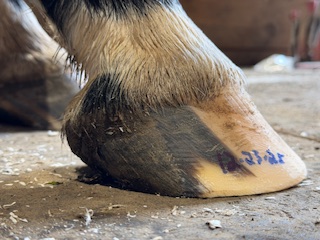
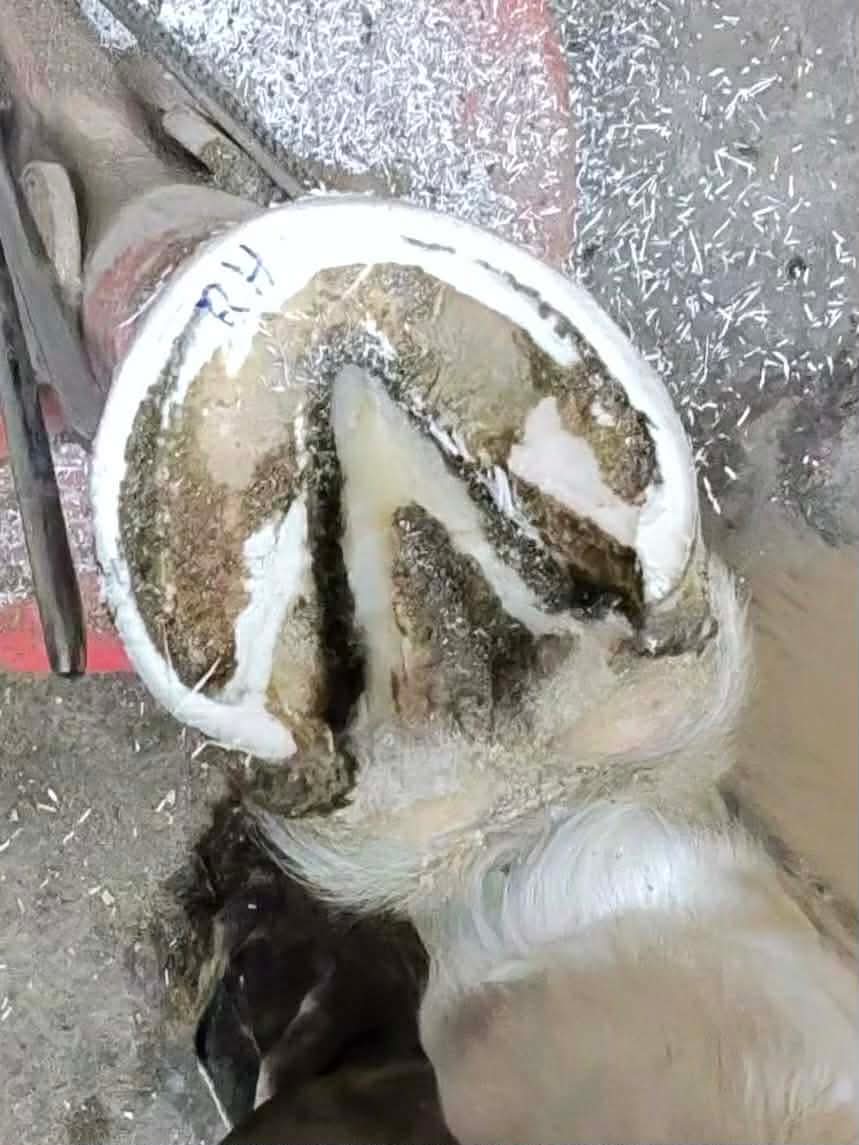
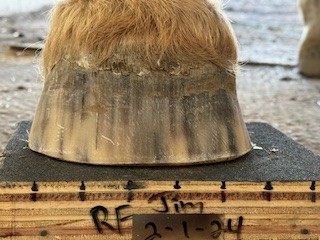
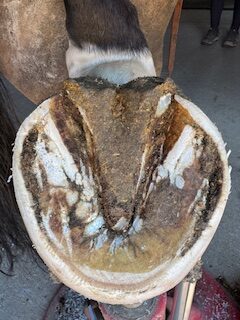
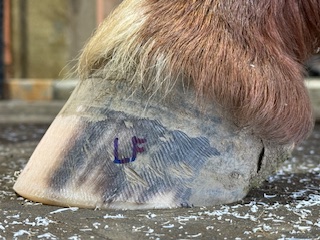
As you look at the photos on this page, slow down and look at each structure individually. You’ll notice that the hooves shown have an overall score of 5 or better—meaning they’re functional and improving. They may not be “perfect,” but they are working and moving toward stronger form and function.
Some may even show “perfect hoof wear,” which can be a sign that the horse is landing, loading, and wearing the foot in a way that supports healthy growth and development.
Within AEP, we grade each of the seven hoof structures on a scale of 1–9:
1 = very poor / compromised
9 = excellent / ideal
A New Normal: Raising the Standard
I believe the equine industry has gotten used to seeing unhealthy feet so often that we’ve started calling them “normal.” But many of those patterns—chronic distortion, weak caudal structures, poor sole depth, underrun heels, persistent tenderness—are not a normal destination. They’re a sign the system isn’t thriving.
No hoof is perfect. But a healthy hoof should show:
My goal is to help owners and professionals see what’s possible—and to give horses the best chance at comfort, durability, and soundness.
Take your time with the photos. Let your eyes adjust to a higher standard. And most of all, enjoy watching what changes for the better can look like.
Take The First Step
Working with Jerry means individualized care, a balance-first approach, and a dedication to helping your horse move and feel their best.