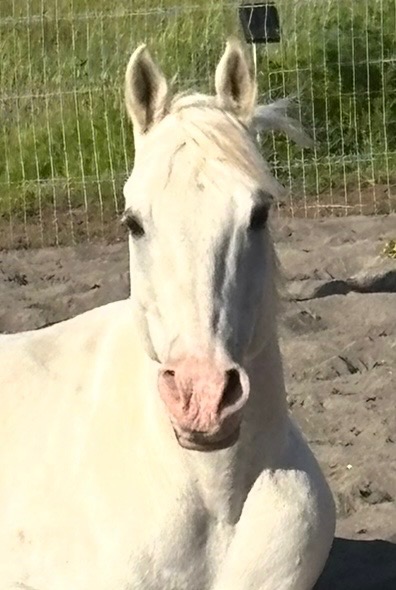
Toby
Following a life-threatening barn fire and four-footed laminitis diagnosis, Toby’s future was uncertain. This case highlights his journey from crisis to structural rehabilitation using the AEP method.
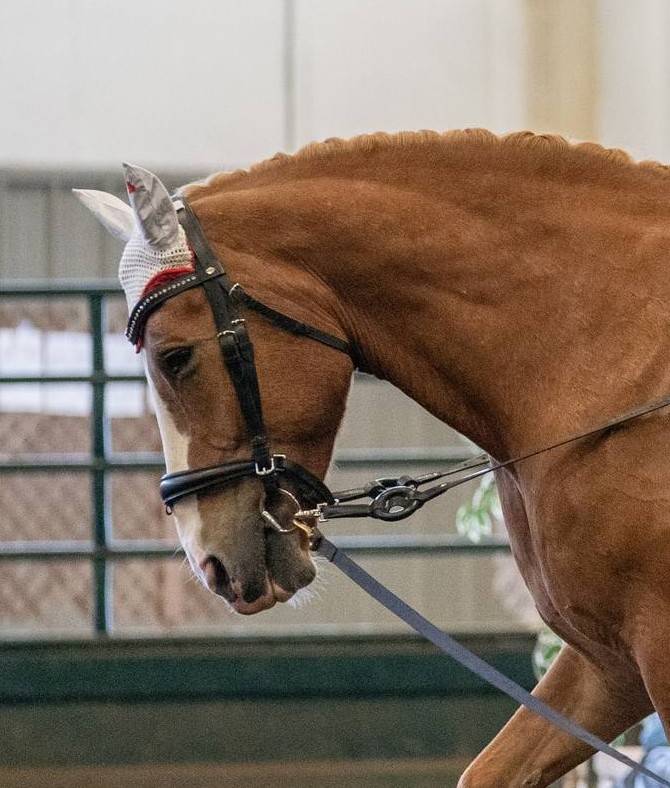
At a Glance: Key Details
In June of 2023, Toby was involved in a devastating barn fire and required emergency hospitalization at a university veterinary facility. While his burn injuries were severe, the greater long-term concern became laminitis affecting all four feet, with the possibility of sloughing.
Prior to the incident, Toby had been a trusted vaulting and lesson horse for children. When I became involved in July 2023, the focus shifted toward stabilizing, balancing, and ultimately rebuilding his hooves through Applied Equine Podiatry principles.
Initial Assessment
Toby presented in July 2023 with four-footed laminitis following systemic trauma from a barn fire. At the time of evaluation, he exhibited significant hoof pain, instability in all four feet, and compromised weight-bearing ability consistent with acute laminitic inflammation.
Clinical concerns included:
- Laminar weakening across all four hooves
- Risk of hoof capsule separation or sloughing
- Reduced digital cushion engagement
- Sole sensitivity and structural compromise
- Difficulty maintaining comfortable stance
Because laminitis is not only a mechanical issue but a structural and vascular one, the initial approach focused on barefoot evaluation and functional balance, rather than relying on external appliances to mask instability.
Radiographs were considered as part of the broader assessment; however, emphasis was placed on evaluating true hoof function without artificial support. The goal was to understand how each of the seven key hoof structures was performing under load and to establish a baseline for long-term laminitis rehabilitation.
At this stage, correction was conservative. Stabilization, comfort, and mechanical relief were prioritized while allowing inflammation to subside and internal structures to begin rebuilding.
The primary objective in Toby’s case was laminitis rehabilitation through structured barefoot hoof care. Because four-footed laminitis affects overall structural stability, treatment focused on restoring functional balance rather than applying aggressive correction.
Early-phase equine laminitis treatment included:
- Careful barefoot trimming to reduce mechanical stress on the laminae
- Protecting hoof capsule integrity while inflammation resolved
- Encouraging frog engagement and digital cushion stimulation
- Supporting sole depth development
- Gradual rebalancing of heels and bars
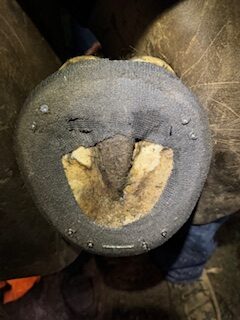
By September 2023, Toby progressed enough to utilize Perfect Hoof Wear as a transitional support tool. This was not used as a permanent mechanical solution, but as part of a structured hoof rehabilitation protocol designed to promote long-term structural healing.
The emphasis remained on rebuilding internal strength rather than achieving cosmetic improvement.
Toby’s owners were committed to responsible, long-term laminitis recovery, not temporary symptom management. Their goals included:
- Reducing pain and improving comfort
- Preventing hoof capsule failure or sloughing
- Supporting true structural rehabilitation
- Preserving long-term soundness
- Maintaining quality of life
Rather than seeking a quick fix, the owners chose a method focused on measurable progress in hoof structure, digital cushion strength, and overall biomechanical balance.
oby’s long-term rehabilitation plan continues to follow Applied Equine Podiatry (AEP) principles, with consistent monitoring of each hoof structure.
The plan includes:
- Scheduled barefoot trimming focused on functional balance
- Ongoing grading of the seven key hoof structures (1–9 scale)
- Encouraging proper frog contact and digital cushion engagement
- Supporting sole development and heel integrity
- Periodic reassessment to track laminitis recovery progress
- Conservative use of supportive wear only when structurally appropriate
This structured approach prioritizes chronic laminitis rehabilitation, hoof capsule stability, and measurable improvement over time.
Healing in laminitis cases is not immediate. It is progressive and requires careful evaluation of structural response rather than reliance on external appliances alone.
No Video Available
Visual Assessment
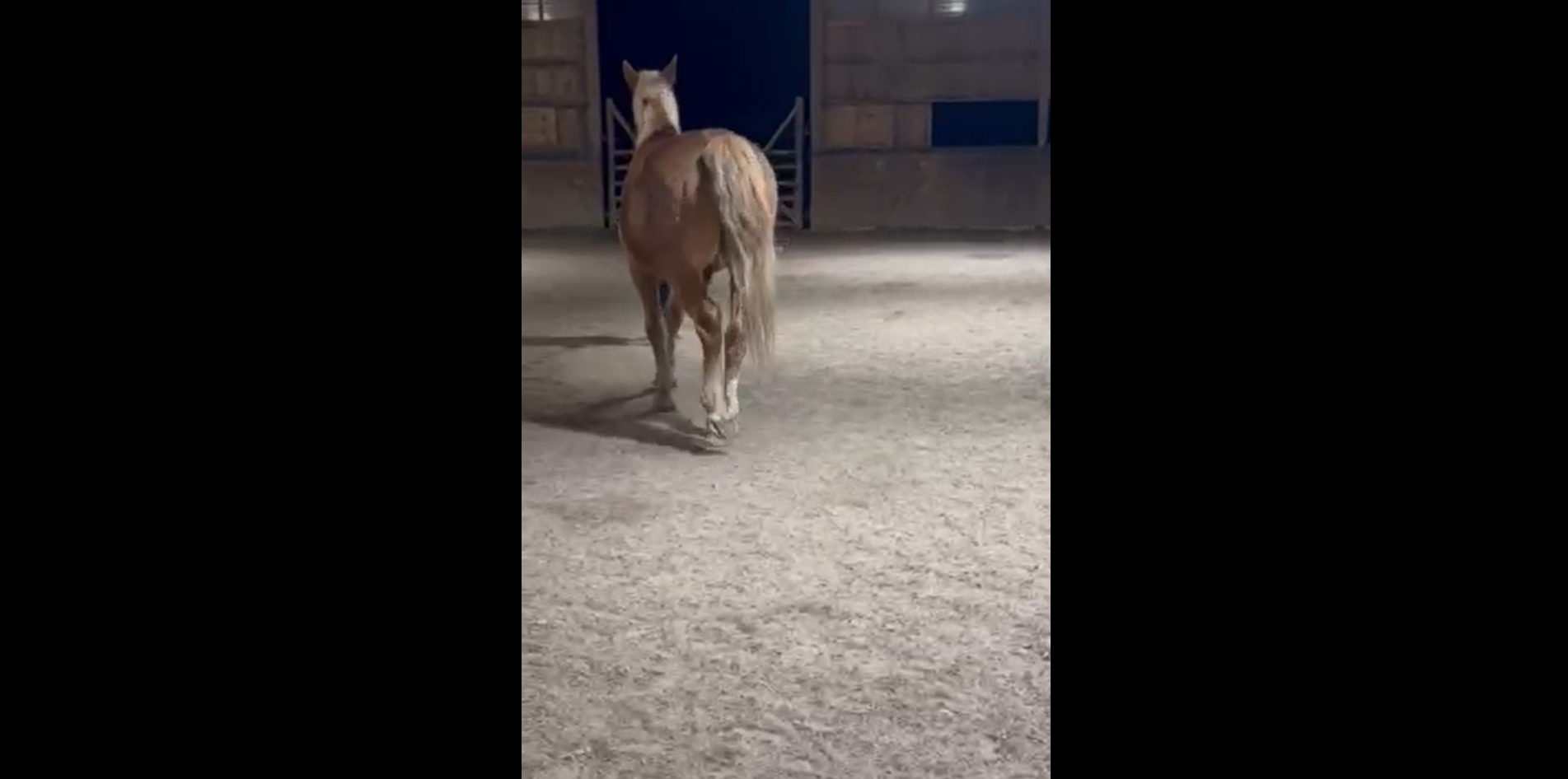
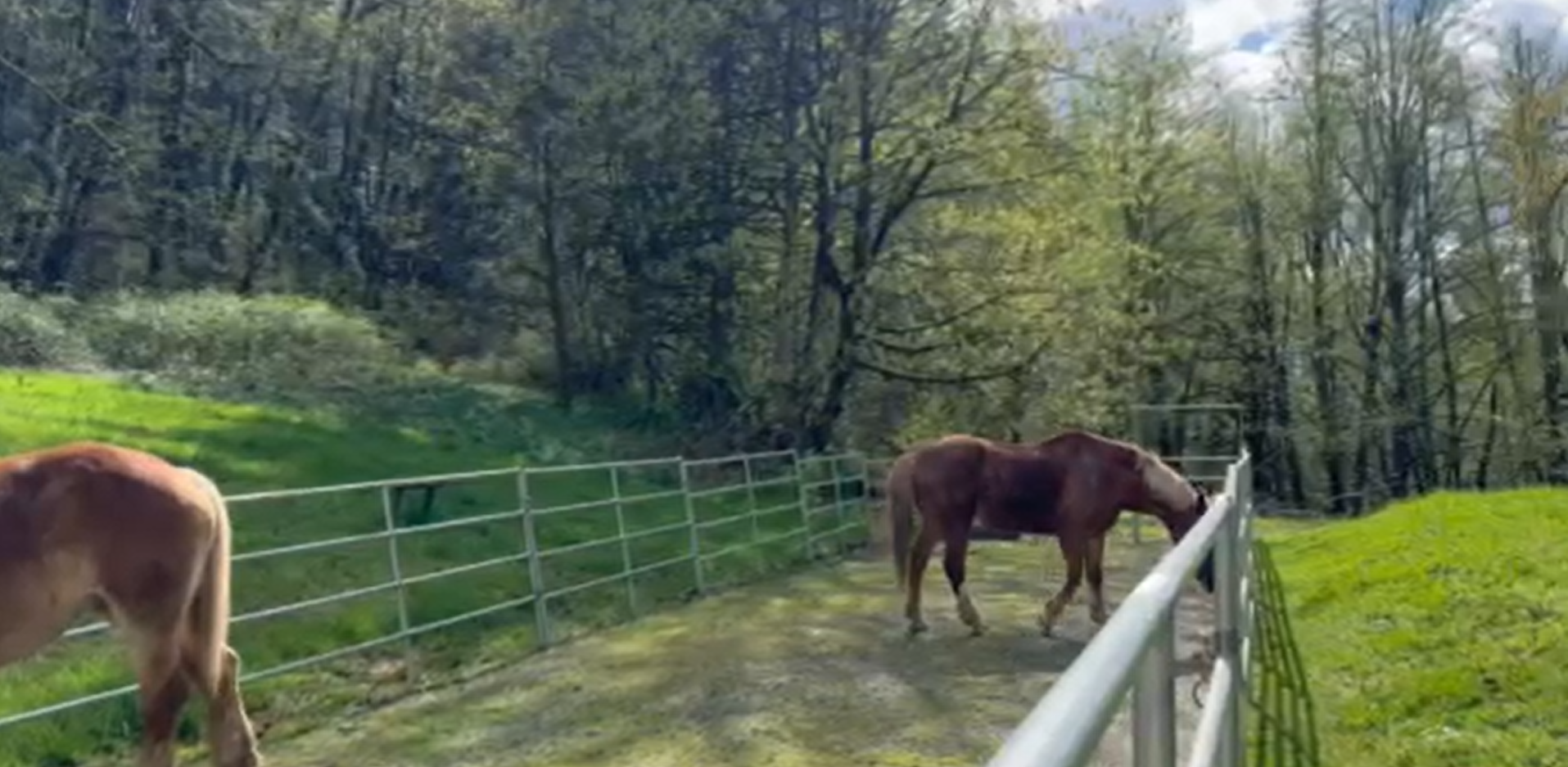
Dive deeper into each case with supporting video. From intake movement to mid-treatment progress, these clips offer a closer look at how balanced hoof care supports recovery and soundness over time.
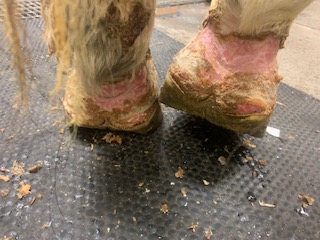
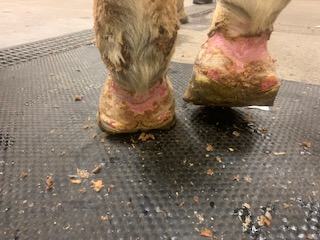
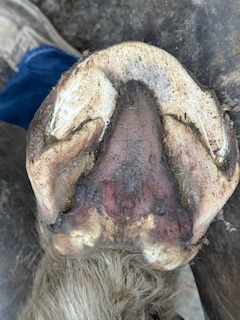
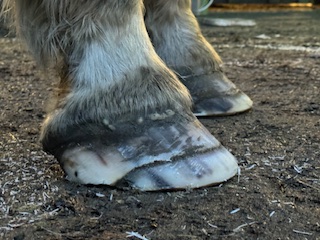
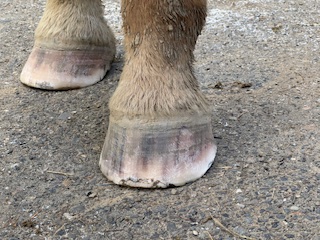
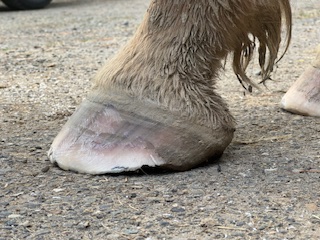
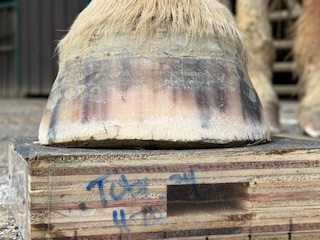
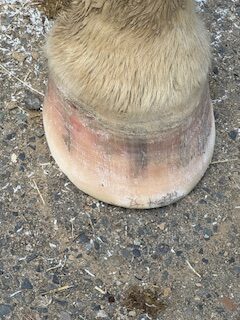
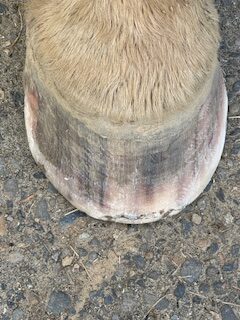
Before AEP Trim
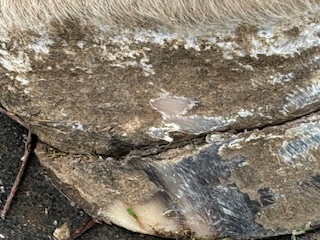
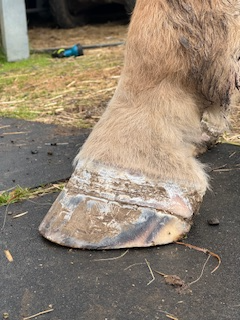
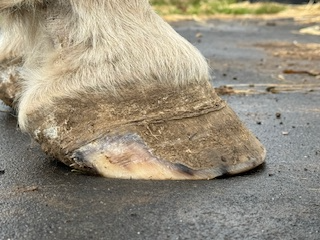
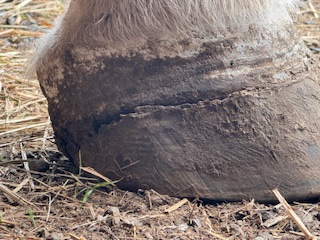
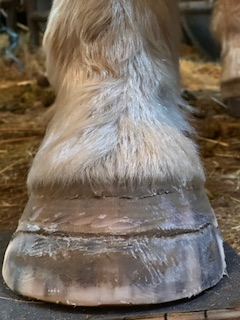
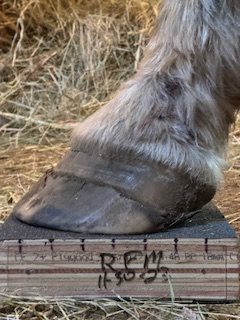
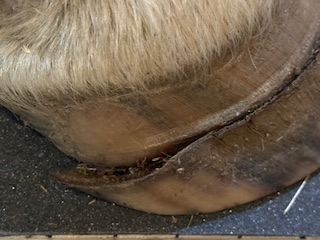
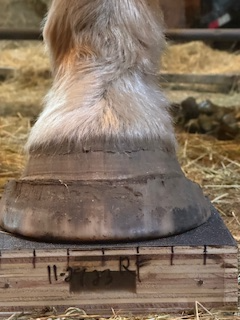
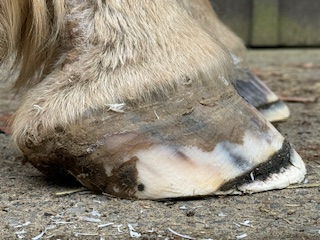
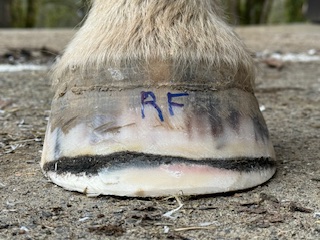
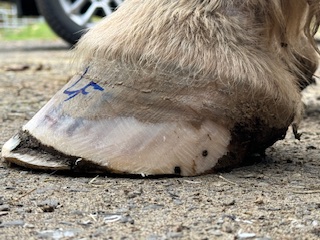
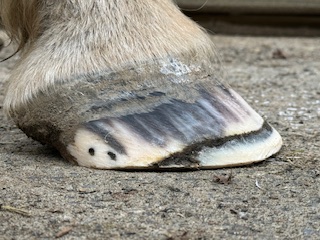
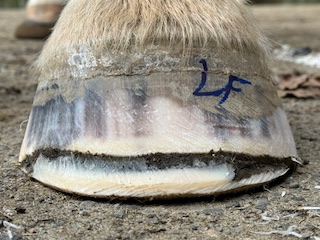
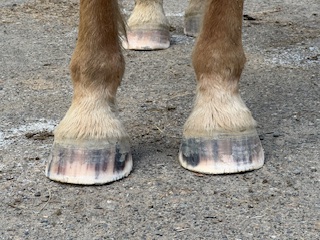
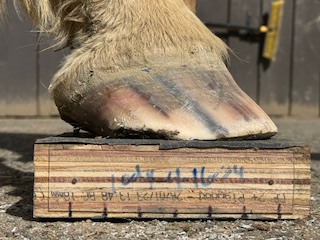
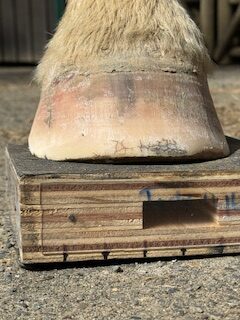
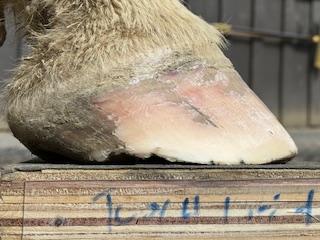
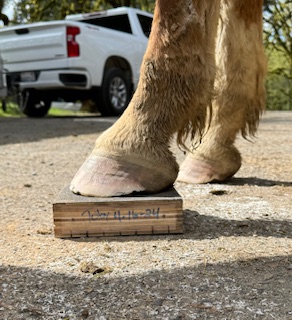
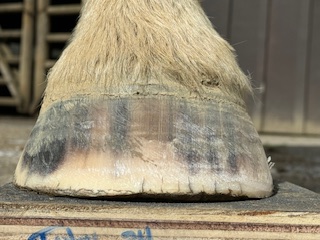
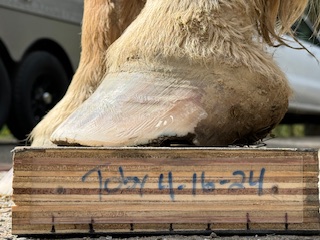
Explore the visual progression of each case through hoof photos, radiographs, and documentation taken throughout the treatment journey. These images highlight the structural changes and improvements that result from a balance-focused approach to equine podiatry.
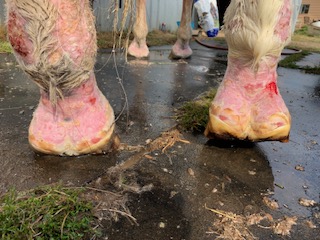
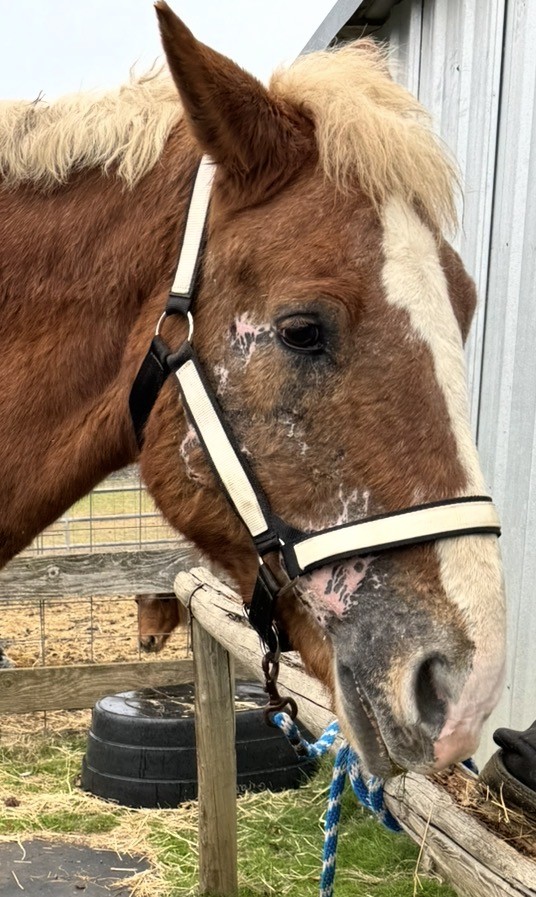
To better understand how each structure should function in a sound horse, visit our guide on what a healthy horse hoof should look like, where we break down the seven key structures of the equine foot.
case Updates
November 1, 2023
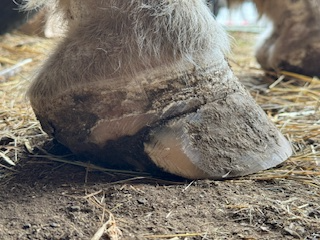
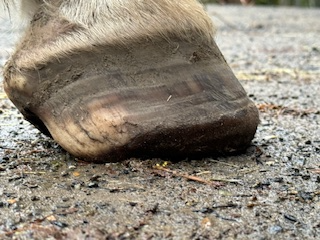
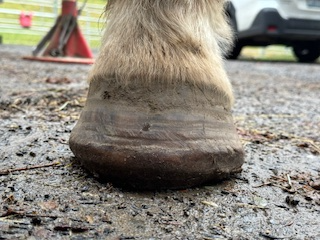
2 months into the use of Perfect Hoof Wear. NEW HEELS are coming down fast!
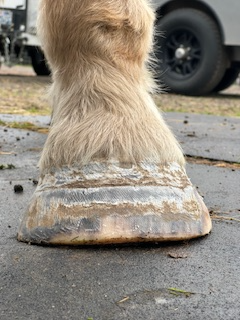
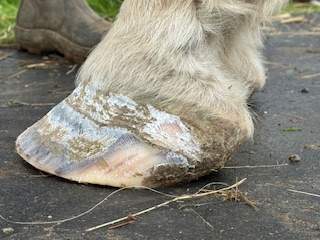
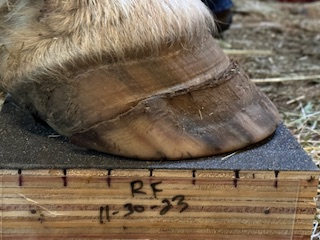
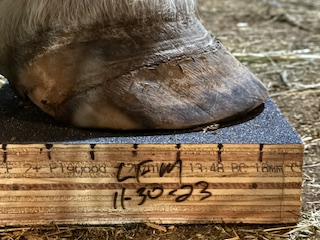
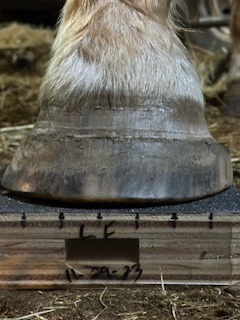
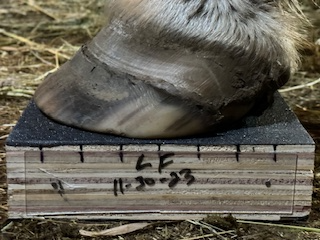
November 30, 2023
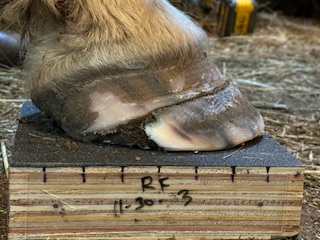
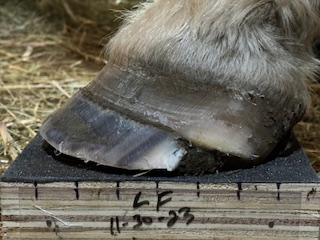
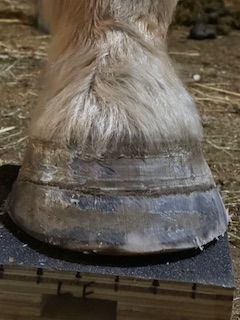
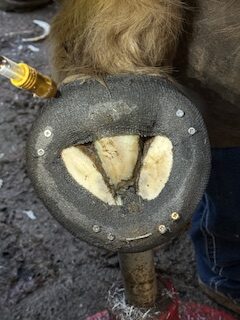
Growing much more balanced!
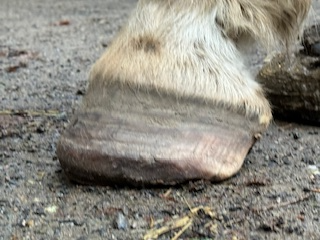
January 28, 2024
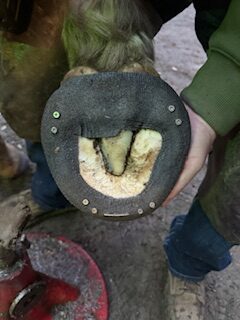
The only foot we lost about 1 inch from the ground… with Perfect Hoof Wear applied
Toby moved off 100% Incredible amount of pain until he was re wrapped
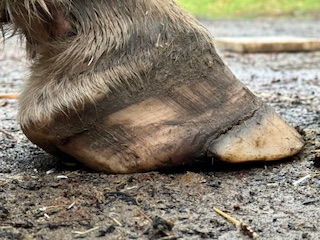
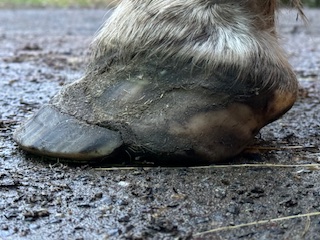
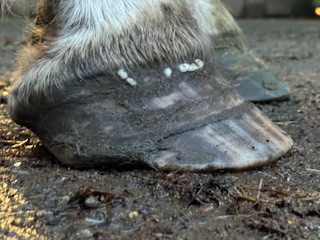
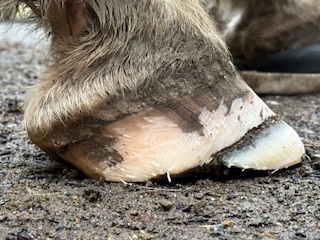
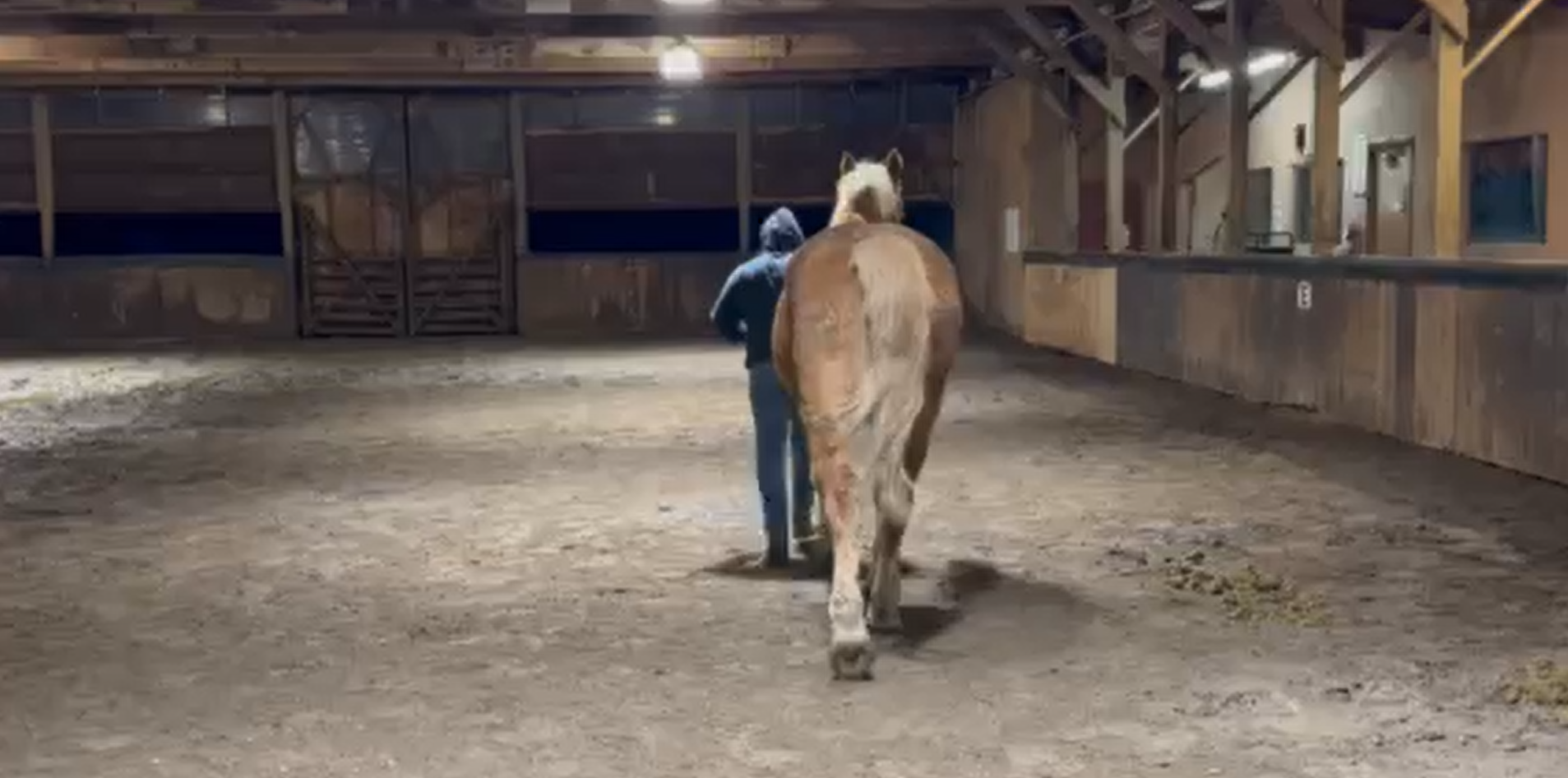
February 24, 2024
Grow boy grow!!
Wondering if this approach is right for your horse?
Let’s talk about your horse’s unique needs and how balance-focused podiatry can support their long-term soundness.