Acute vs. Chronic Hoof Abscesses in Horses
Hoof abscesses are a common yet often misunderstood condition affecting horses, posing significant challenges to their health and well-being. This blog post aims to delineate the differences between acute and chronic hoof abscesses, exploring their causes, symptoms, and treatment options.
By understanding these distinctions, horse owners, trainers, and equine professionals can better identify and manage this condition, ensuring the optimal care of their equine companions. Whether you are a seasoned expert or a curious pet owner, this comprehensive overview will provide valuable insights into the prevention and management of hoof abscesses.
Understanding the Difference Between Acute and Chronic Abscesses
Acute Hoof Abscesses
Acute abscesses appear suddenly and can cause severe lameness almost overnight. A horse may look dramatically painful, yet just as quickly return to soundness within 24–72 hours. In some cases, the abscess drains or is resorbed within the hoof capsule without the owner ever noticing.
These abscesses are typically pressure-related events that resolve once the buildup is released.
Chronic Hoof Abscesses
Chronic abscesses are far more frustrating. They develop slowly and may cause intermittent lameness that comes and goes. These cases can last weeks or even months if the underlying imbalance is not addressed.
In one 2025 case, advanced imaging revealed a deep abscess that could not have been accurately located without veterinary collaboration. Working together, we were able to resolve the issue completely. Chronic abscesses often require teamwork between podiatrist and veterinarian.
Are Abscesses Always Bad?
Not necessarily.
For years, abscesses were viewed purely as a negative event. However, the hoof has a complex system of blood flow, neurological signaling, and lymphatic drainage — collectively referred to as hemodynamics.
When a hoof has been structurally out of balance for an extended period, internal tissue damage can occur. As balance and circulation are restored, the body may expel necrotic tissue through an abscess.
In these cases, the abscess can be part of a healing response — not simply a disease process.
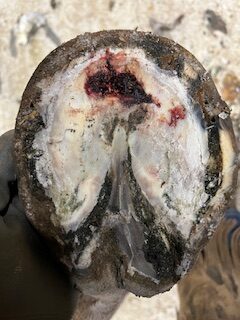
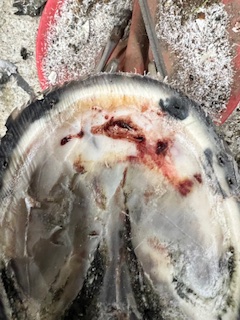
What Happens Inside the Hoof During an Abscess?
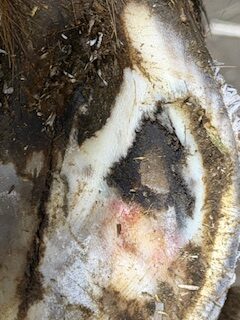
One abscess might be circumstantial — but repeated episodes mean the foot isn’t fTwo primary mechanisms are involved:
- Gas or pus accumulation between the hoof wall and sensitive structures, creating pressure and pain.
- Trauma-related infection, often from bruising or puncture wounds.
Reduced movement and poor circulation can contribute to tissue breakdown. Restoring proper function and movement supports healing.
Should You Soak an Abscess?
Traditional soaking in Epsom salts has long been recommended. However, constant exposure to moisture may soften structures and prolong resolution in some cases.
Controlled movement, such as light hand walking, often improves circulation and speeds recovery — provided the horse is comfortable enough to move.
If the horse is in extreme pain, veterinary evaluation is strongly recommended.
Digging for Abscesses — Is It Necessary?
Aggressive digging into the sole is a common practice but should be approached cautiously. In many cases, the abscess drains at a location unrelated to where digging occurred.
Excessive removal of primary sole can weaken the hoof and, in severe situations, increase the risk of secondary complications such as laminitis.
Conservative management is often safer unless imaging confirms location.
Signs of a Hoof Abscess
Common indicators include:
- Sudden lameness
- Heat in the hoof
- Increased digital pulse
- Swelling in some cases
A strong digital pulse often correlates with inflammation and pain levels.
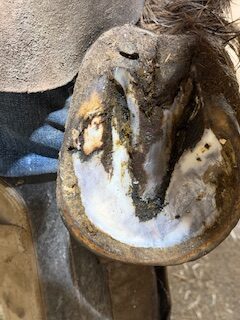
Signs of a Hoof Abscess
Even after the abscess exits, care must continue.
- Keep the exit site clean
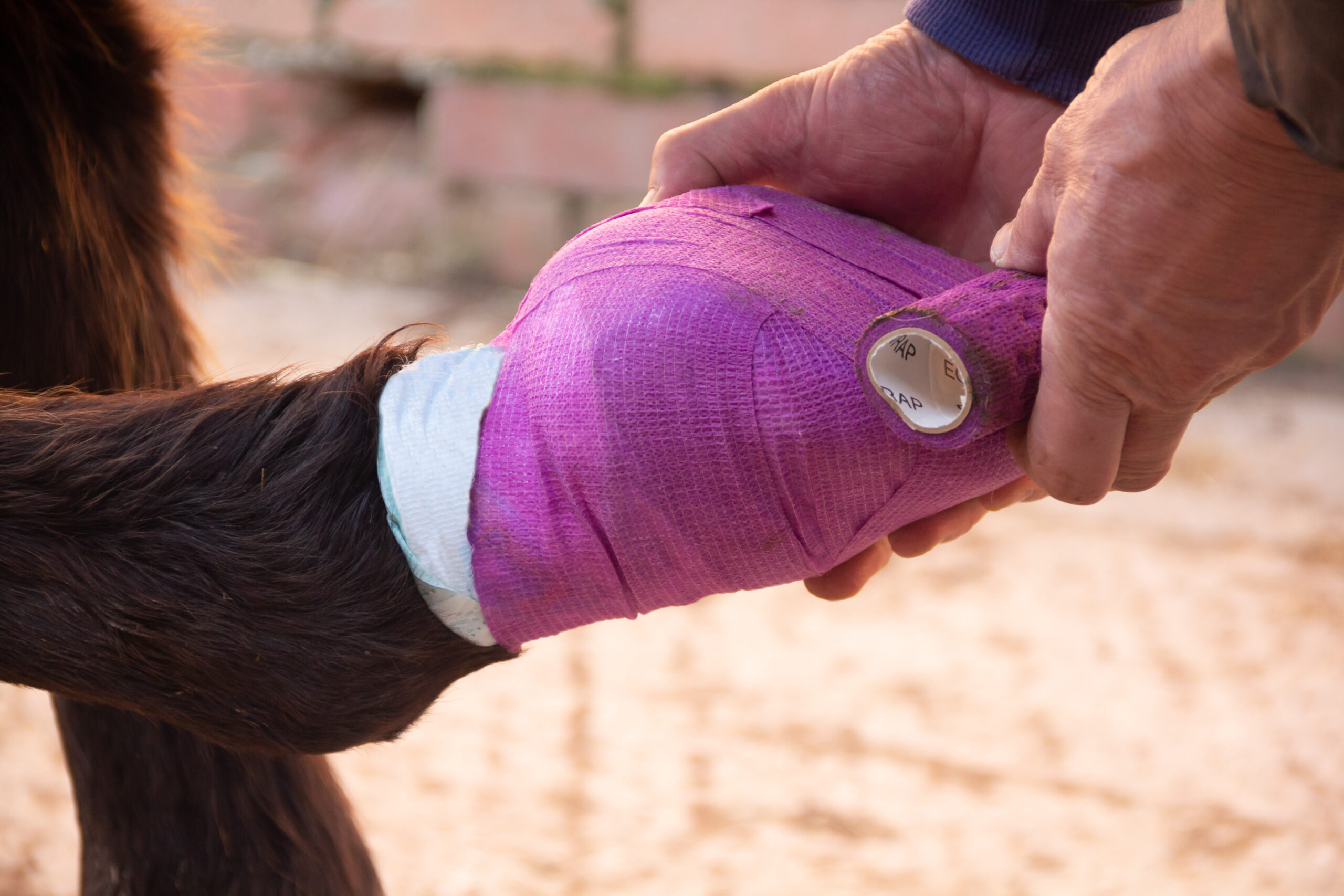
- Protect the area if the environment is wet or dirty
- Support ongoing structural balance
Healing does not end when the pressure is relieved.
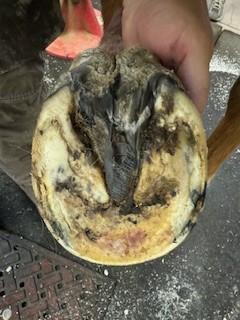
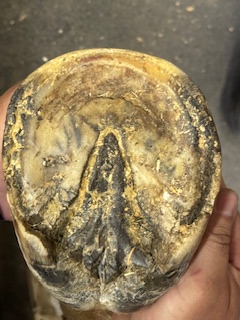
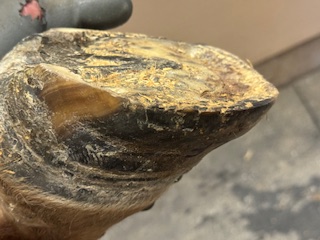
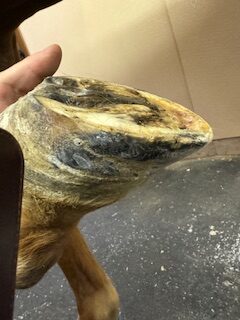
In conclusion, hoof abscesses represent a significant yet often misunderstood challenge in equine health, affecting horses of all ages and backgrounds. Understanding the differences between acute and chronic abscesses, as well as their structural causes, is crucial for effective management and treatment.
For a deeper understanding of hoof abscess causes, treatment options, and prevention, read our complete guide on hoof abscesses in horses. If you’re new to hoof health, we also recommend reviewing our article on what a healthy horse hoof should look like and how proper structure supports long-term soundness.
For further information or specific inquiries, do not hesitate to contact us.