Beyond The Trim
My horse isn’t lame, so their feet must be fine… right?
It’s a common belief — and one that keeps many horses just a few steps away from discomfort or breakdown. The truth is, hoof imbalance doesn’t always show up as obvious lameness. Sometimes it shows up as tightness under saddle, toe dragging, attitude changes, or mysterious “off” days. That’s why balance-based care is so important — even for healthy horses.
What Is “Hoof Balance,” Really?
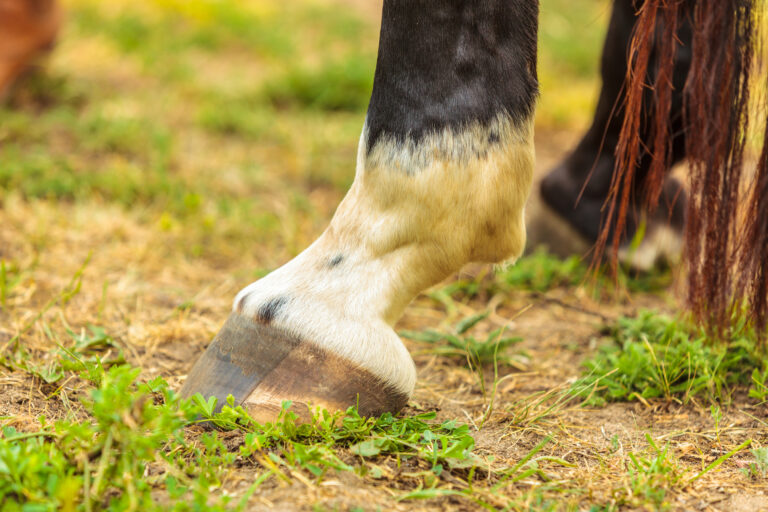
Most trims focus on what the hoof looks like from the outside: heel length, toe angle, and flare. But true balance comes from aligning the hoof capsule with the internal structures of the foot — the bones, connective tissue, and shock-absorbing structures that help your horse move freely and stay sound.
When internal balance is off, the horse’s body has to compensate with tension, altered posture, or uneven loading. Over time, this can lead to soreness, inflammation, and even joint or tendon strain.

Why Applied Equine Podiatry (AEP) Takes It Further
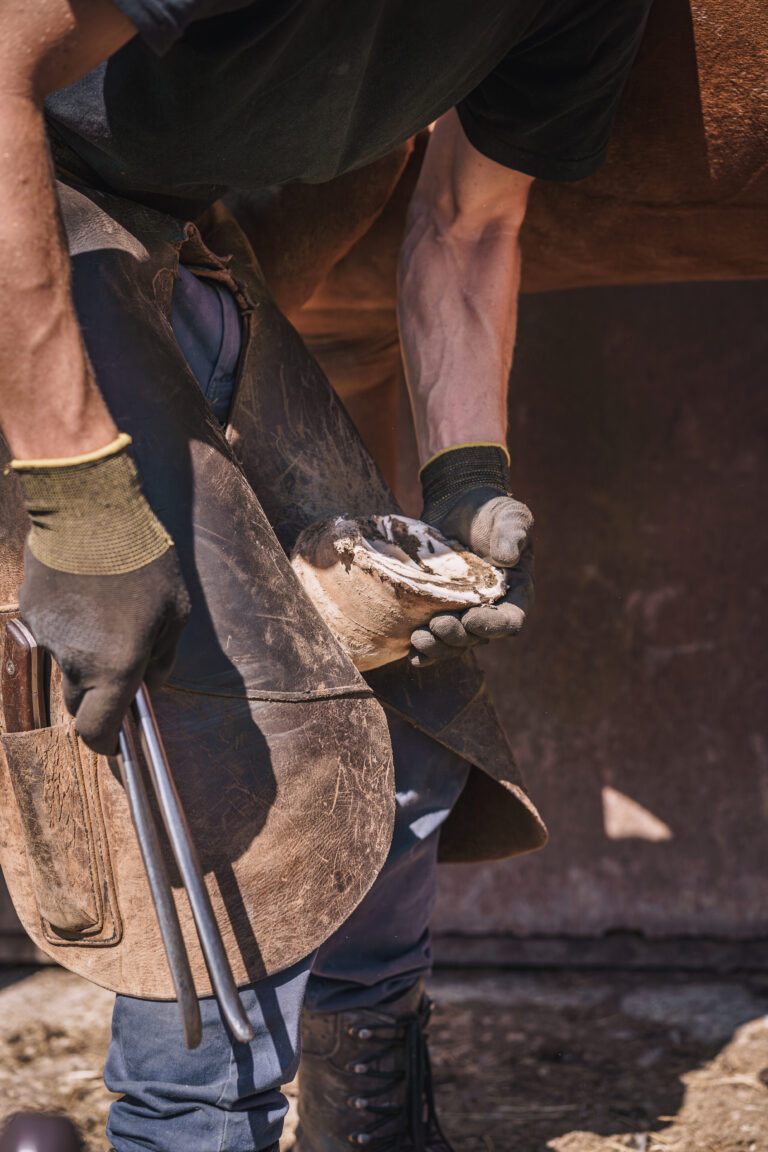
Applied Equine Podiatry (AEP) is a method of hoof care based on science, observation, and restoring internal hoof function. Rather than trimming to make the foot look “correct,” AEP practitioners assess:
We then create a custom balance plan that supports the individual horse — not just the hoof.
Who Benefits from Balance-Based Care?
1. Performance horses looking for longevity and consistency.
2. Senior horses needing gentle support as their structures change.
3. Rehabilitation cases with laminitis, navicular, or founder.
4. “Sound but struggling” horses with subtle posture or comfort issues.
Even horses with no major problems can benefit. Think of it as preventive care for their foundation — before breakdown happens.
Balance isn’t just about trimming feet — it’s about helping the whole horse move in harmony. Whether you’re chasing barrels, enjoying the trails, or rehabbing from a setback, internal hoof balance is your horse’s secret weapon for long-term soundness.